
A crochet baby dress pattern is the perfect handmade gift for little ones. This adorable dress features delicate stitches and a soft, comfortable design. Creating a crochet baby dress is one of those projects that feels deeply meaningful from the very first stitch.
Even after years of crocheting, I still approach pieces like this with a certain tenderness, because it’s not just about making something beautiful, it’s about creating something soft, comfortable, and made with care for someone so small. There’s a quiet joy in working on a baby dress, knowing that every stitch contributes to something gentle and special.
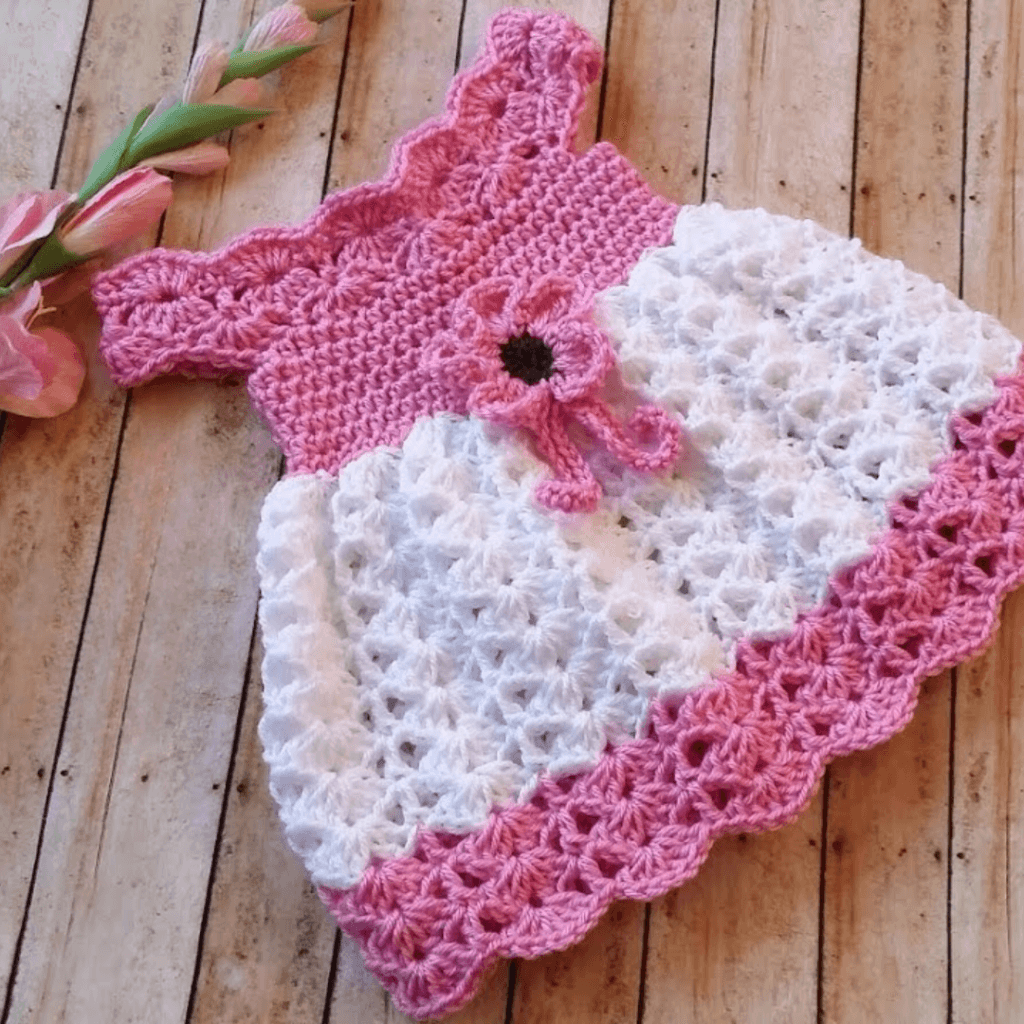
I usually begin at the top, working the yoke first, because this is where the fit is determined. Getting the neckline right is essential, not too tight, not too loose, but just soft enough to sit comfortably. I often use a simple combination of stitches like double crochet or half double crochet, depending on the texture I want. The increases are placed carefully to allow the fabric to expand evenly, forming that classic rounded yoke that sits so nicely on a baby’s shoulders. It’s a step that requires attention, but once the rhythm is established, it becomes wonderfully calming.
How to Make a Crochet Baby Dress Pattern
Creating a crochet baby dress pattern requires a combination of basic and decorative stitches. This pattern includes a fitted bodice, a flowing skirt, and cute ruffled details for a charming look. Ideal for special occasions or everyday wear, this dress can be customized in different colors and sizes.
This crochet baby dress pattern is a delightful project for both beginners and experienced crocheters. Personalize it with different colors and embellishments to make it truly special!
Choosing the yarn is one of the most important decisions in this project. For a baby dress, softness is everything. I always reach for gentle, breathable fibers, often cotton or a soft cotton blend, because they feel comfortable against delicate skin and hold their shape beautifully. The colors are usually light and soothing, soft pinks, creamy whites, pale yellows, or subtle pastels. These tones give the dress that timeless, delicate look that never goes out of style.
As the yoke grows, I start to separate the sleeves from the body, creating space for the armholes. This is where the structure of the dress really begins to take shape. I always take a moment to check that everything looks balanced, that the stitches are even, and that the proportions feel right. Experience teaches you to notice these small details early, before they become difficult to adjust later.
Detailed Recipe: Crochet Baby Dress Pattern
Once the body of the dress begins, the process becomes even more enjoyable. This is where you can introduce texture or pattern, perhaps a simple shell stitch, a gentle lace design, or even just clean, consistent rows for a minimalist look. I often find myself slowing down here, enjoying the flow of the stitches and watching the fabric grow longer with each round or row. There’s something very satisfying about seeing the dress take form so gracefully.
The length of the dress is something I always consider carefully. For a baby, it should be comfortable and practical, allowing freedom of movement while still looking elegant. I like to keep the skirt slightly flared, which gives it a soft, flowing shape. This can be achieved with gentle increases or by choosing a stitch pattern that naturally expands. The result is a dress that feels light and airy, perfect for little ones.
Sleeves are optional, but when I include them, I keep them simple and soft. Short sleeves or delicate cap sleeves work beautifully, adding just enough detail without making the dress feel heavy. I crochet them directly onto the armholes or work them separately, depending on the design. Either way, I make sure the edges are smooth and comfortable.
Details are what truly make a baby dress special, and I always enjoy adding small finishing touches. A delicate edging along the hem, perhaps with picot stitches or a subtle scallop, can elevate the entire piece. Sometimes I add a tiny bow, a row of buttons at the back, or even a small decorative flower. These elements don’t need to be elaborate, but they add personality and make the dress feel complete.
Closures are another important aspect. For baby dresses, I usually include a buttoned back or a small opening at the neckline. This makes it easier to put on and take off, which is something that matters just as much as how the dress looks. I choose small, secure buttons and make sure the buttonholes are neat and sturdy.
Materials:
- Cotton or acrylic yarn in two colors (lightweight or DK).
- Crochet hook (3.5mm or 4mm, depending on yarn weight).
- Yarn needle.
- Scissors.
- Ribbon or decorative buttons (optional).
Abbreviations (US terms):
- CH = Chain
- SC = Single Crochet
- HDC = Half Double Crochet
- DC = Double Crochet
- SL ST = Slip Stitch
- INC = Increase
- FO = Fasten Off
Instructions:
Bodice:
- CH 52 (or a multiple of 4, adjusting for size).
- Row 1: DC in the 3rd CH from the hook and across. Turn.
- Row 2-6: DC in each stitch across. Turn.
- Create armholes: Divide stitches into four sections (front, back, and two sleeves), working DC rows separately for each section until desired armhole depth is reached.
Skirt:
- Reattach yarn at the bottom of the bodice.
- Round 1: CH 3, DC, CH 1, skip 1, repeat around. Join with SL ST.
- Round 2-10: Continue in the pattern, adding increases for a flared effect if desired.
Ruffled Edges & Straps:
- For straps, attach yarn at the top of the bodice and CH to desired length. Attach to the back.
- For ruffles, attach yarn along the neckline and bottom hem, working 5 DC in one stitch, skip 1, repeat for a scalloped edge.
Finishing Touches:
- Weave in all ends.
- Add a decorative flower or bow for extra charm.
- Block the dress to shape it nicely.
Finishing is a step I never rush, especially with something as delicate as a baby dress. I carefully weave in all ends, ensuring nothing is loose or visible. I gently shape the dress with my hands, smoothing out the stitches and checking that everything looks even. If needed, I lightly block the piece, especially if it includes lace or textured stitches, to help it settle into its final form.
Note: Here is a pattern suggestion for you to create your own pattern. The end result may vary.